
Info
-

The advantages of Straws-berry straws for cocktail bars
This article highlights the benefits of sugarcane fiber straws for cocktail bars. These eco-friendly straws offer a sustainable solution to reduce plastic pollution, while improving the customer experience thanks to their resistance to humidity and heat. Their natural aesthetic enriches the presentation of cocktails, reinforcing the brand image of establishments committed to environmental sustainability. -
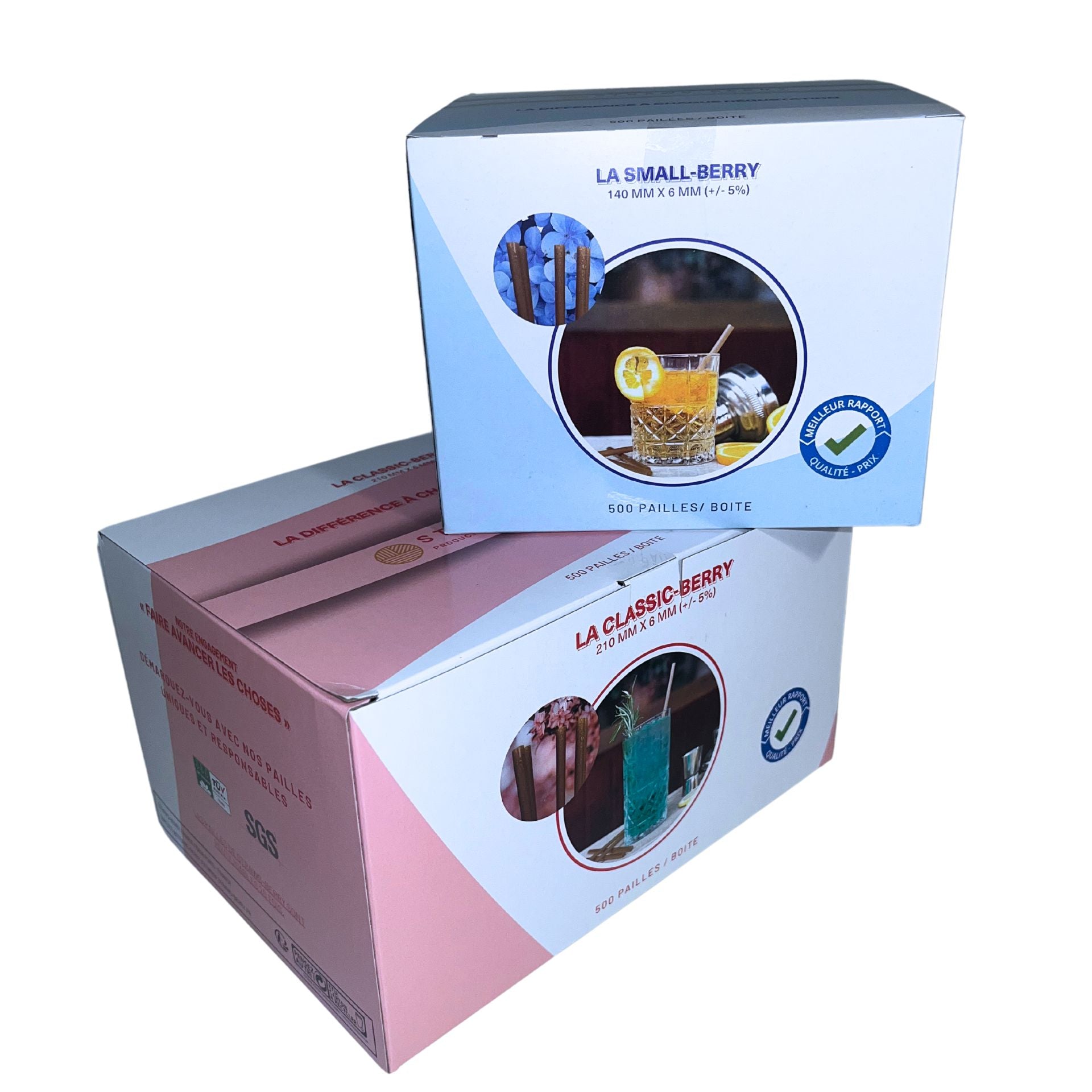
Straws-Berry: Perfect straws for events and festivals
Straws-Berry: Eco-friendly straws perfect for events and festivals Straws-Berry ecological straws have become essential at events and festivals. In response to the growing demand for eco-friendly products, these straws offer a sustainable and practical solution. Today, environmental awareness is pushing...
-
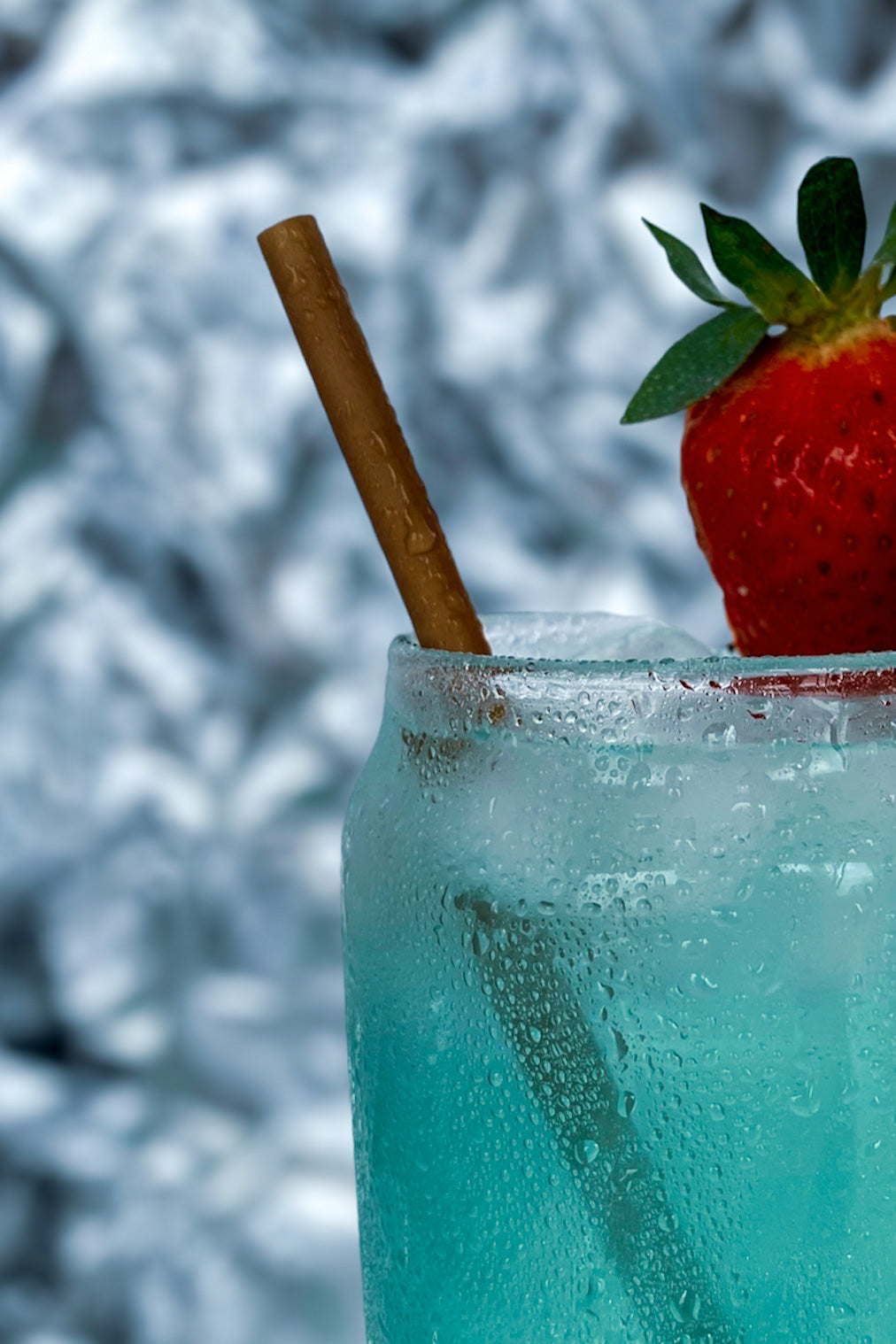
The Straws-Berry Story
The Straws-Berry story: a sustainable alternative to plastic straws Introduction Since the ban on plastic straws, hospitality professionals have been looking for sustainable alternatives. Straws-Berry meets this need with eco-friendly sugar cane fiber straws. Plastic straws pose major environmental problems....
-

Reduce your establishment's carbon footprint with Straws-berry straws
Reducing your establishment's carbon footprint with sugarcane straws is an essential step for the hospitality industry. These biodegradable straws help reduce plastic waste and CO2 emissions. Adopt sustainable solutions to improve your brand image and attract environmentally conscious customers.