
Info
-

Saving the oceans one cocktail at a time: the impact of ecological straws on the marine environment
Find out how plastic straws are polluting our oceans and threatening marine life. We explore the benefits of Straws-berry sugar cane straws, an ecological alternative that contributes to the preservation of our seas. CHR professionals have an essential role to play for a cleaner marine future. -
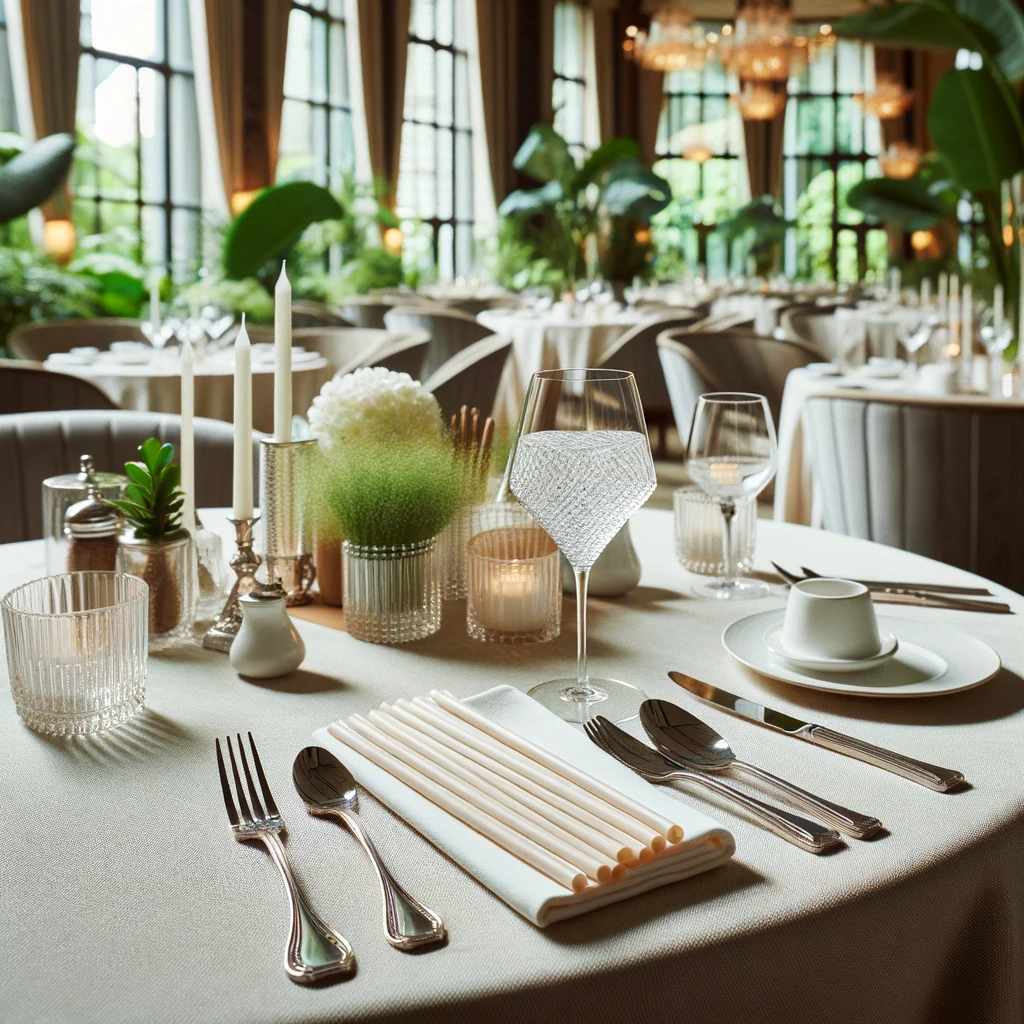
How do Straws-berry straws improve the customer experience?
Straws-berry straws: a new era for the hotel and catering industry In a world where environmental awareness is becoming more and more significant, the hotel and catering sector is not left out. Sustainability, once considered a luxury or an alternative...
-

Straws-berry: pioneers of eco-friendly and organic straw in the CHR industry
Discover Straws-berry's sugar cane fiber straws, an ecological revolution in the CHR industry (Cafes, Hotels, Restaurants). These sustainable, biodegradable alternatives to traditional plastic straws are designed to reduce environmental impact and support the transition to more eco-responsible practices. Each Straws-berry straw represents a commitment
-

Original cocktail and drink recipes with sugar cane fiber straws
Discover how to revolutionize the tasting experience in your CHR establishment with sugar cane fiber straws. From dazzling tropical cocktails to refreshing non-alcoholic drinks, these eco-friendly straws are not only an eco-friendly choice, but they also add a unique touch of elegance to every drink. Join us on this culinary adventure and take another step towards a sustainable future. -
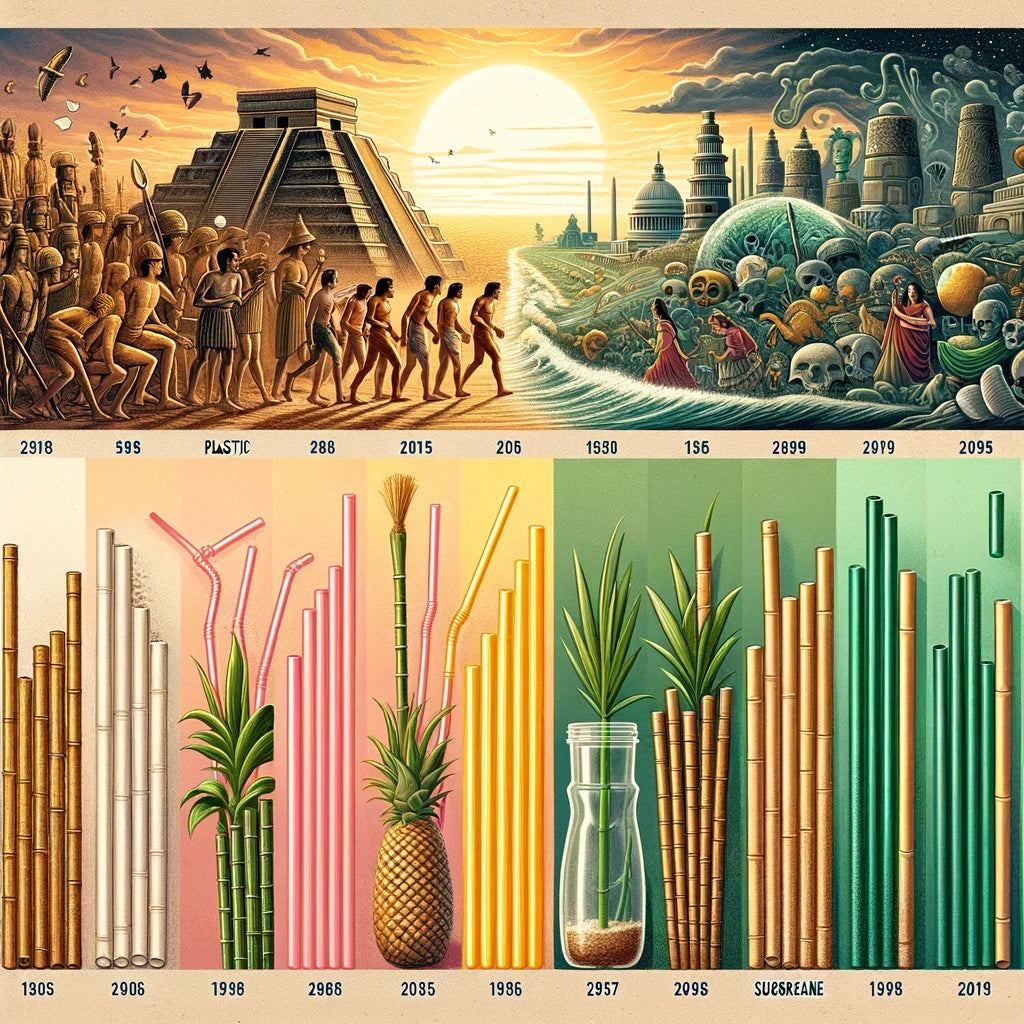
The Evolution of the Drinking Straw: From Plastic to Wood Fibre and Minerals
Drinking straws are made from very different materials, and the label "eco-friendly" hides most of that difference. Paper straws are pressed from wood pulp, sugarcane fibre straws are moulded from bagasse left over from sugar production, and Straws-Berry straws are made in France from wood offcuts combined with minerals under three patents. This article traces how the straw evolved from plastic to those alternatives, explains how each material is produced, and compares what they mean for a bar, a hotel or a restaurant.


